
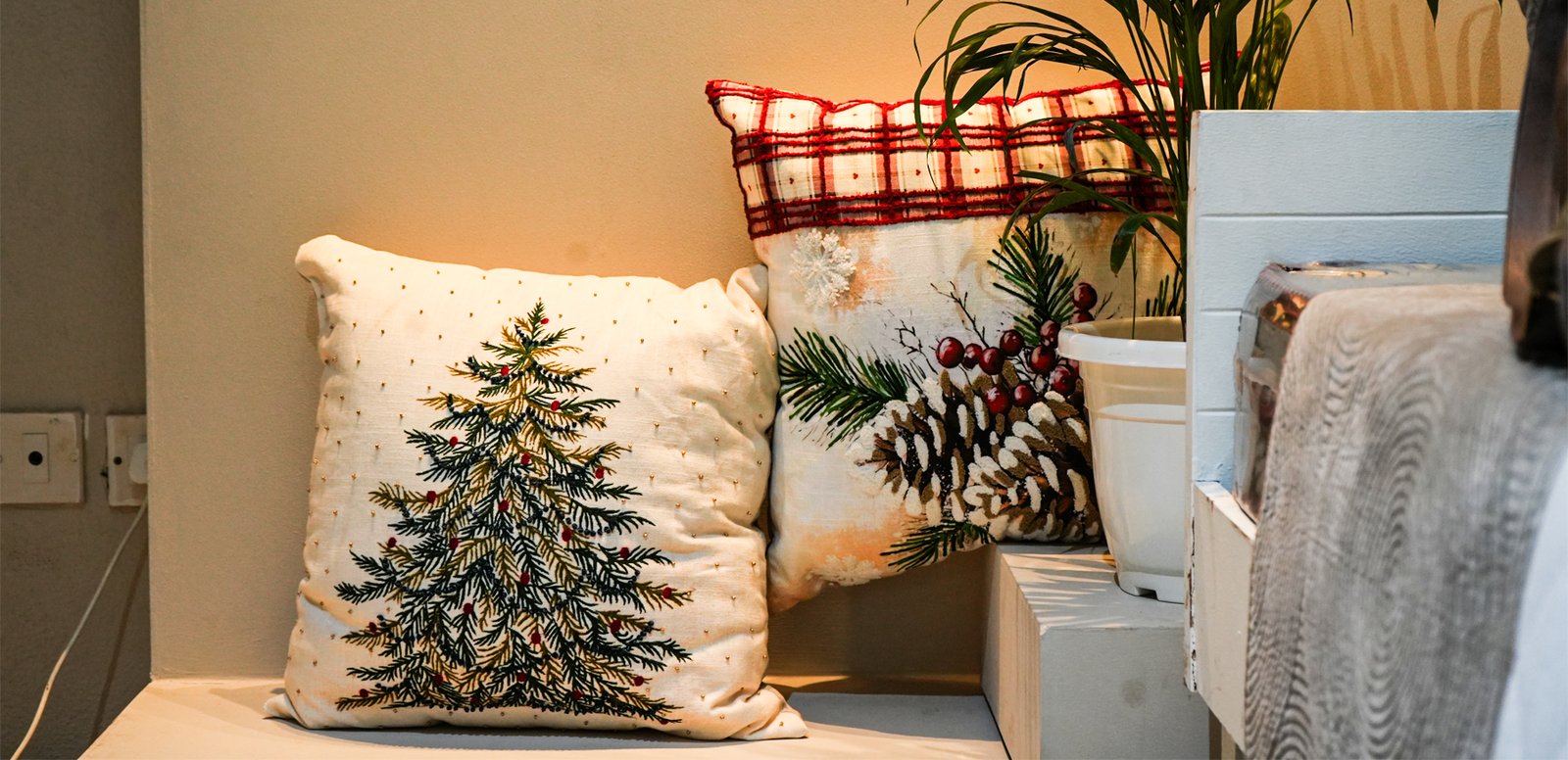
Our products are made by skilled teams and finished with care, with quality checks built into production so every bulk order matches the approved sample. From cutting and stitching to final inspection and packing, each stage is handled with the consistency wholesale buyers rely on.
If you buy cushions, quilts, shams or bedding in volume, you’ve probably opened a carton and thought, “this isn’t what I approved.” Here is why it happens and what to do about it.
Why does bulk production differ from the approved sample?
If you buy cushions, quilts, shams or bedding in volume, you’ve probably opened a carton and thought, “this isn’t what I approved.” Here is why it happens and what to do about it.
1. The fabric isn’t from the same lot. Two rolls of the same fabric, dyed in different batches, can show a visible shade difference, even from the same recipe. This dye lot variation is the most common reason a colour “drifts” in bulk. A sample cut from one roll can’t promise that the next roll will match.
2. The fabric behaves differently after finishing or washing. A sample may be made from a pre-washed or hand-finished swatch, while bulk fabric comes straight from the mill. The result is a different hand-feel, or a size that changes after the first wash.
3. A small substitution nobody mentioned. A different thread, a different fill, a trim from another supplier. Each looks minor, and together they change how a piece looks and feels. This matters most in quilts, where stitch spacing and fill weight set the whole character of the product.
4. Measurements without tolerance. “40 by 40” means little unless someone writes how much variation is acceptable. A cushion cover that’s a few millimetres small looks fine flat on a table and fails the moment it goes over the insert. Agree a size tolerance for the points that matter, such as body, flange width and insert fit.
5. The sample room isn’t the production line. Samples are often made slowly and carefully by one experienced person. Bulk is made at pace by a line of people. If the sample was the best the factory could do once, bulk will fall short of it.
What should a buyer lock in at sample approval?
How do you check bulk against the sample?
What does Saze Home do?
At Saze Home, the approved sample stays the reference through cutting, stitching, finishing and packing. Colour is confirmed on the sample before production and bulk is compared against it, and each order is checked before it’s packed. You can see how this works in our home textile manufacturing process. For private label orders, the same sample-first rule applies, and we agree the specification with you before the sample is made.
What if the bulk order arrives differently?
- Don’t use or repack the goods. Keep them as received.
- Compare with your reference sample and the signed approval.
- Document it: photos of the difference, measurements and the carton labels.
- Tell the supplier in writing within the claim period in your order terms.
- Ask for the remedy you agreed: rework, replacement or credit.
Frequently Asked Questions
What is the difference between a sample and bulk production?
Can bulk ever match the sample exactly?
Very closely, but within a tolerance, not to the last millimetre or the last shade. That’s why a tolerance should be agreed up front.
Who keeps the reference sample?
Both sides should. It’s the evidence if there’s ever a dispute.
When should I inspect?
Planning an order?
If you’re specifying cushions, bedding, throws, quilts or shams, send us your brief and we’ll reply with sampling options.